
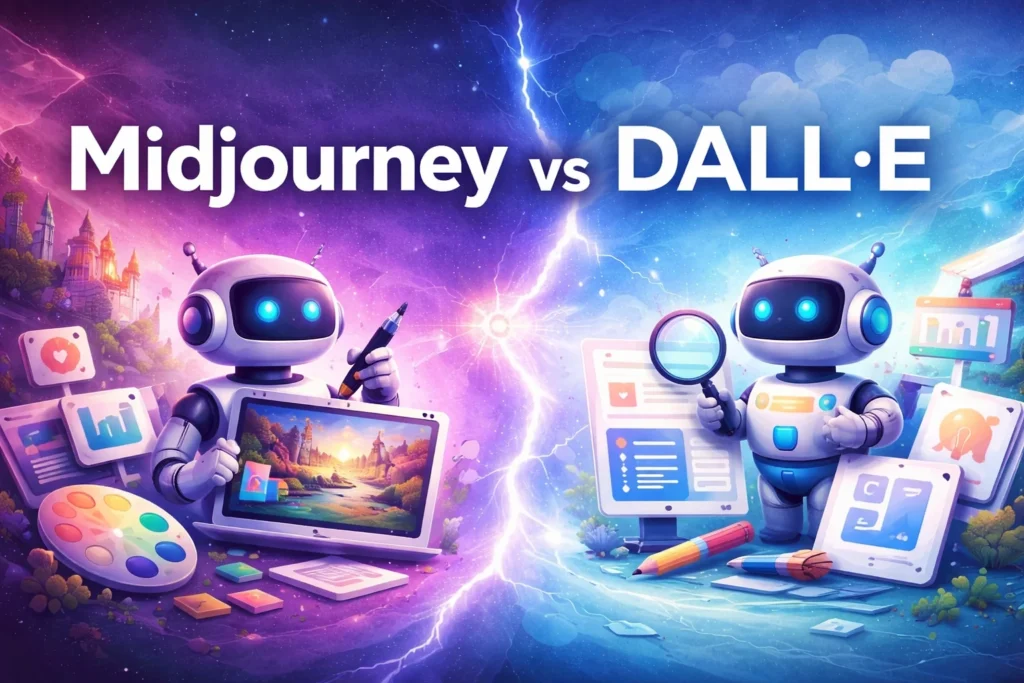
AI image generators have moved beyond novelty and are now integral components of creative, marketing, and product workflows. In this evolution, Midjourney and DALL·E have emerged as dominant forces, but they represent two fundamentally different philosophies of creation. One is an artist’s canvas, the other a precise production tool.
Asking “which one is better?” is the wrong question. The right question is, “Which tool aligns with my specific workflow and desired outcome?” This article is a decision-oriented comparison designed for professionals, focusing on practical application rather than a simple feature checklist. We’ll explore where each platform excels, where it falls short, and which is the best fit for your team and tasks in 2026.
How to Evaluate AI Image Generators in 2026
To choose the right tool, you need a framework that goes beyond surface-level image quality. The best AI image generator is the one that most effectively translates your intent into a usable asset with the least amount of friction.
Here are the criteria we will use for this comparison:
- Visual Fidelity vs. Prompt Accuracy: Does the tool produce beautiful, artistic images, or does it precisely follow complex instructions? These are often mutually exclusive.
- Style Control and Creative Ceiling: How much control do you have over the final aesthetic? Can you develop a unique, consistent style, or are you limited to the model’s inherent look?
- Editing and Revision Workflows: How easy is it to modify an image? Can you change specific elements without regenerating the entire scene?
- Ease of Iteration: How quickly can you move from a basic idea to a refined final image? This measures the speed of the creative feedback loop.
- Integration and Scalability: How well does the tool fit into your existing software stack? Is it built for solo creators or scalable for teams and automated workflows via API?
Midjourney: Strengths, Weaknesses, and Best Fit
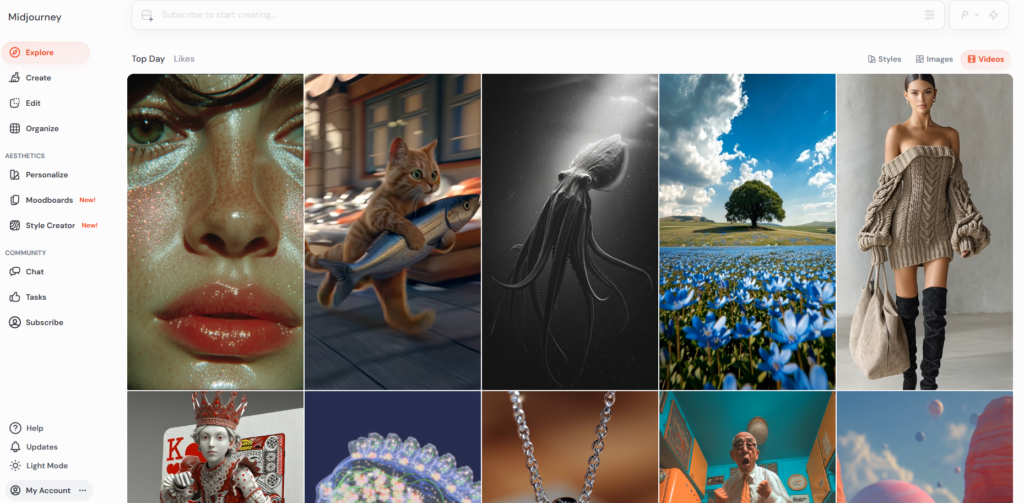
Midjourney has established itself as the leader in aesthetic quality and artistic interpretation. It functions less like a command-line tool and more like a creative partner, often producing stunning visuals that exceed the user’s initial prompt.
Strengths
Midjourney’s primary strength is its powerful, opinionated aesthetic. It excels at creating images that are not just accurate, but emotionally resonant and visually striking. For mood boards, brand exploration, and high-concept ad creative, its output is consistently superior. It has a high creative ceiling, allowing skilled users to develop deeply unique and recognizable styles. Its “remix” and “pan/zoom” features provide a fluid, if sometimes unpredictable, path for iteration.
Weaknesses
The platform’s greatest strength is also its key weakness. Midjourney often prioritizes beauty over literal instruction. Complex prompts requiring specific object placement, text, or nuanced character expressions can be frustrating. Its reliance on Discord for its user interface remains a significant operational hurdle for many professional teams, feeling disconnected from standard design software. The workflow is less about precise control and more about guided discovery.
- Best-Fit Users: Brand designers, creative directors, ad agencies, and concept artists who prioritize visual impact and a distinct aesthetic.
- Poor-Fit Users: Product teams needing exact UI mockups, marketers requiring precise text on images, or anyone who values literal prompt execution over artistic flair.
DALL·E: Strengths, Weaknesses, and Best Fit
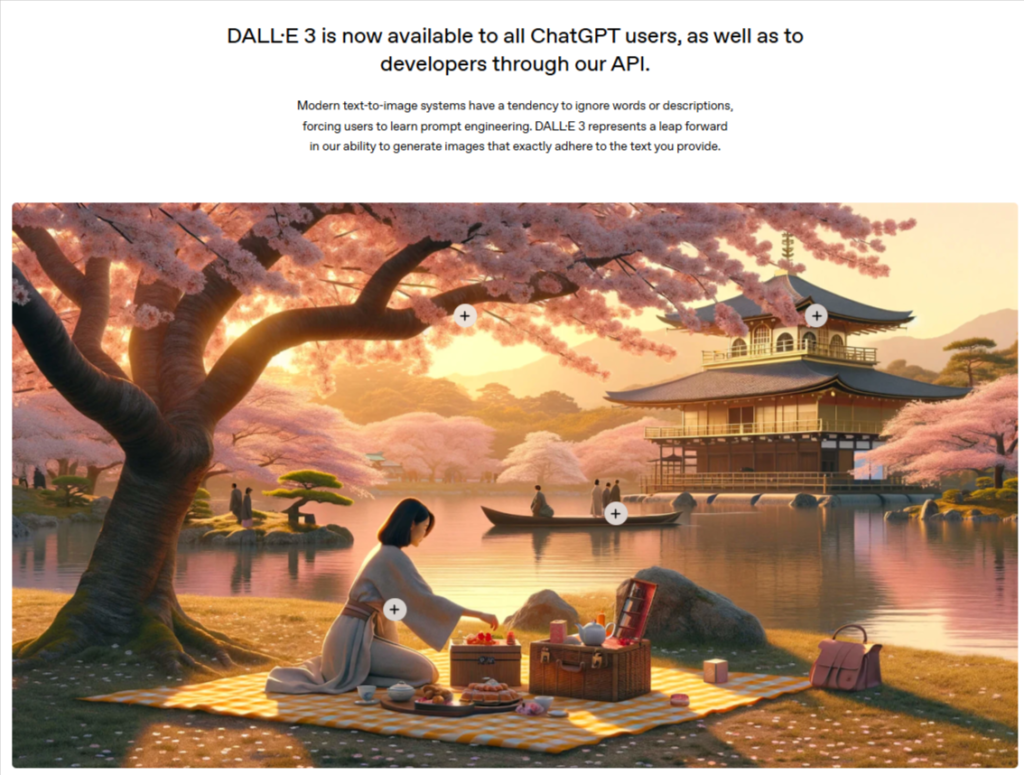
DALL·E, backed by OpenAI, is engineered for accuracy, integration, and practical utility. It operates like a precise visual calculator, designed to execute specific instructions and fit seamlessly into broader technical ecosystems.
Strengths
DALL·E’s core advantage is prompt accuracy and in-platform editing. It excels at understanding complex, descriptive prompts involving multiple subjects, specific actions, and spatial relationships. Its ability to render legible text within images is a significant differentiator for marketing and social media content. The integration of DALL·E into the ChatGPT interface and its robust API make it the clear winner for teams looking to automate image creation or build image generation into their own products. Its inpainting and outpainting features offer a far more controlled editing workflow than Midjourney.
Weaknesses
The trade-off for DALL·E’s precision is a lower creative ceiling. While its image quality has improved dramatically, its output can sometimes feel generic or sterile compared to Midjourney’s artistic depth. It is less “opinionated” and struggles to produce the kind of breathtaking, signature styles that define the Midjourney experience. The platform is a workhorse, not a muse.
- Best-Fit Users: Marketers, SaaS teams, developers, and content creators who need reliable, scalable, and accurate image generation that integrates with other tools.
- Poor-Fit Users: Creatives seeking a highly artistic and unique visual style, or teams focused on high-end branding and conceptual art.
Use-Case-Based Recommendations
Let’s break down the choice by professional discipline.
Best for Marketing and Ads
DALL·E is generally the better choice. Marketing requires speed, consistency, and often, text overlays. DALL·E’s superior text generation and precise prompt adherence mean you can create ad variations for A/B testing far more efficiently. Its editing tools allow for quick removal of unwanted artifacts, a common need for ad creatives.
Best for Branding and Design
Midjourney is the winner here. Branding is about creating a unique and memorable visual identity. Midjourney’s artistic engine is unmatched for exploring aesthetics, developing brand worlds, and producing high-impact hero images. Its output provides a richer foundation for building a distinct style guide.
Best for SaaS and Product Teams
DALL·E is the clear choice. Product teams need visuals for UI mockups, feature illustrations, and onboarding flows. DALL·E’s accuracy and literal interpretation are critical. More importantly, its API allows for programmatic generation of visuals, such as creating custom illustrations for dynamic user-generated content.
Best for Non-Designers
DALL·E offers an easier on-ramp. The conversational interface within ChatGPT and its predictable results make it more approachable for founders, solo creators, or marketers who lack a design background. The ability to refine an image by “talking” to the AI lowers the barrier to getting a usable result.
Best for Developers and Automation
DALL·E is the only serious option. Its well-documented and powerful API is built for integration. Developers can build wrappers, automate content pipelines, and integrate image generation directly into applications, which is not currently possible with Midjourney’s closed, Discord-based system.
Decision Shortcut
- Choose Midjourney if you care most about:
- Unmatched artistic quality and aesthetic appeal.
- Creating a unique, signature visual style.
- Conceptual art, mood boards, and brand exploration.
- Generating images that feel emotive and premium.
- Choose DALL·E if your priority is:
- Literal and precise interpretation of your prompts.
- Generating clear, legible text within images.
- Seamless integration with other tools via API.
- A straightforward workflow with powerful in-platform editing.
- Scalable image creation for marketing or product use.
Final Verdict
There is no single “best” AI image generator in 2026. There is only the right tool for the job.
Midjourney is the choice for users whose final product is the image itself. It’s for the artist, the brand strategist, and the creative director seeking unparalleled visual impact. Its value is in its ability to inspire and produce work that stands on its own.
DALL·E is the choice for users for whom the image is a component of a larger system. It’s for the marketer, the developer, and the product manager who need a reliable, scalable, and integrable tool to perform a specific function. Its value is in its utility and predictability.
Ultimately, specialization matters more than raw image quality. As these tools continue to diverge, many professional teams will find they don’t choose one over the other. They use both—Midjourney for creative ideation and DALL·E for production and scale.
Frequently Asked Questions (FAQ)
Is Midjourney better than DALL·E in 2026?
Neither is universally “better.” Midjourney excels in artistic quality and creating unique styles, making it ideal for branding and concept art. DALL·E is superior for prompt accuracy, text generation, and API integration, making it better for marketing, product, and automated workflows.
Which tool is better for marketing and ads?
DALL·E is generally better for marketing and ads due to its superior ability to generate clear text within images and its precise control over composition. This allows for faster creation and iteration of ad creatives that meet specific campaign requirements.
Which is easier for non-designers?
DALL·E is typically easier for non-designers. Its integration with ChatGPT provides a conversational interface, and its outputs are more literal and predictable, reducing the learning curve required to get a usable image.
How do they compare for commercial use?
Both platforms offer commercial use licenses with their paid plans. DALL·E’s API and predictable nature make it more straightforward for large-scale commercial applications. Midjourney is excellent for creating unique commercial assets, but its Discord-based workflow can be a bottleneck for teams.
Which handles text in images better?
DALL·E is significantly better at generating legible and accurate text within images. While not perfect, it is far more reliable than Midjourney, which often produces garbled or nonsensical characters.
Can Midjourney and DALL·E be used together?
Yes, many professional teams use both. A common workflow is to use Midjourney for initial concept and style exploration and then use DALL·E (or manual design) to refine the concept with specific text, elements, or edits for production work.
Which AI image generator is best overall in 2026?
The best tool depends entirely on your use case. For artistic expression and standout branding, Midjourney leads. For practical, scalable, and integrated image production, DALL·E is the superior choice.

Leave a Comment